Overview
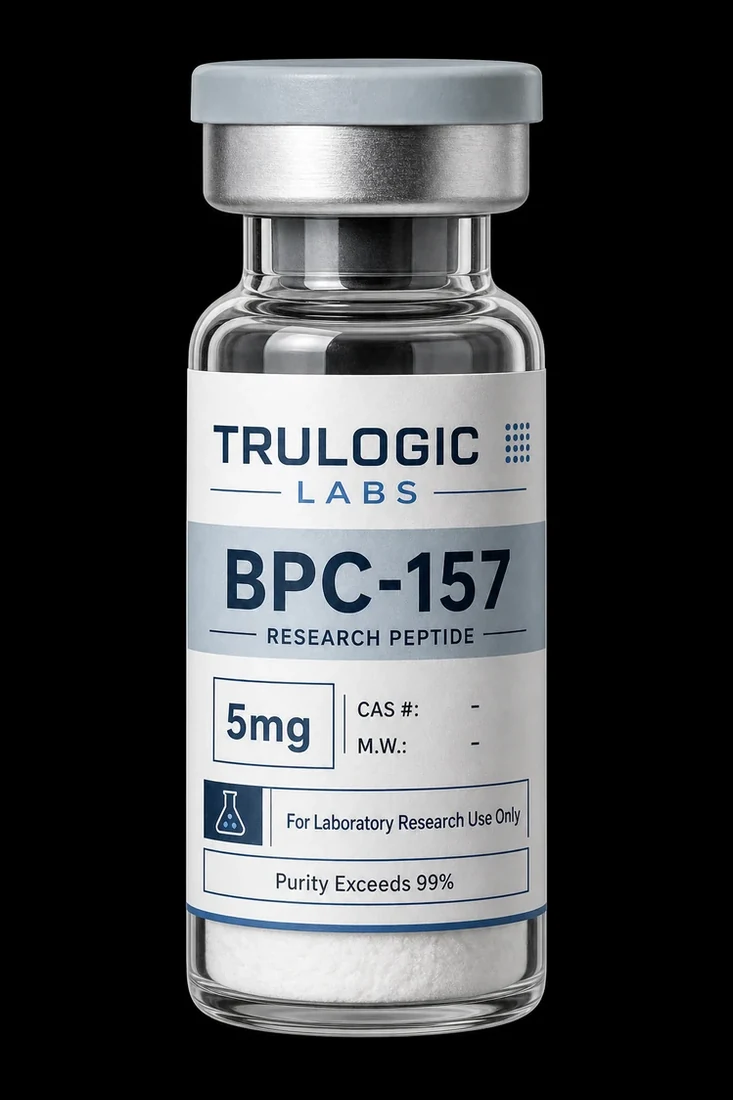
BPC-157 (Body Protection Compound-157) is a synthetic peptide corresponding to a partial sequence of a protein identified in gastric juice. It is the subject of a substantial body of preclinical (largely rodent) literature exploring its role in tissue protection and repair. The compound is frequently discussed in research contexts involving tendon, ligament, muscle, and gut models, but it has not been approved by major regulatory agencies for human therapeutic use and high-quality human trial data are scarce.
Mechanism of action
Proposed mechanisms reported in the literature center on the promotion of angiogenesis (new blood vessel formation) and modulation of growth factor pathways, with particular attention to interactions with the vascular endothelial growth factor (VEGF) and nitric oxide (NO) systems. Some studies describe effects on the upregulation of growth factor receptors in fibroblasts and on cytoprotective signaling in the gastrointestinal tract. The precise molecular targets remain incompletely defined.
Research findings
Rodent studies have reported accelerated healing of tendon, ligament, and muscle injury models.,Preclinical work suggests gastrointestinal cytoprotective effects in models of ulcer and mucosal injury.,Some animal studies describe effects on blood vessel formation linked to VEGF and nitric oxide signaling.,Reports in rodent models suggest interactions with the nitric oxide system and potential vascular effects.,Robust, controlled human clinical trial data are lacking; most evidence is preclinical.
Research context
BPC-157 is studied as a synthetic peptide with reported stability in gastric environments in preclinical settings. Plasma half-life in animal studies is generally described as short, and pharmacokinetic parameters in humans are not well characterized. Reported study ranges and protocols vary widely across rodent models and are not directly translatable to people. This is a research reference only. Not approved for human use outside regulated settings; consult the primary literature.
Handling & storage
Lyophilized powder is typically stored frozen and protected from light and moisture in a laboratory setting. Reconstituted material is generally handled cold and used within a limited window per laboratory protocol. Follow institutional handling and biosafety guidance.
Reported safety signals
The human safety profile is not well characterized due to the absence of large controlled trials. Preclinical reports generally describe good tolerability in animal models, but this does not establish human safety.
Studied alongside
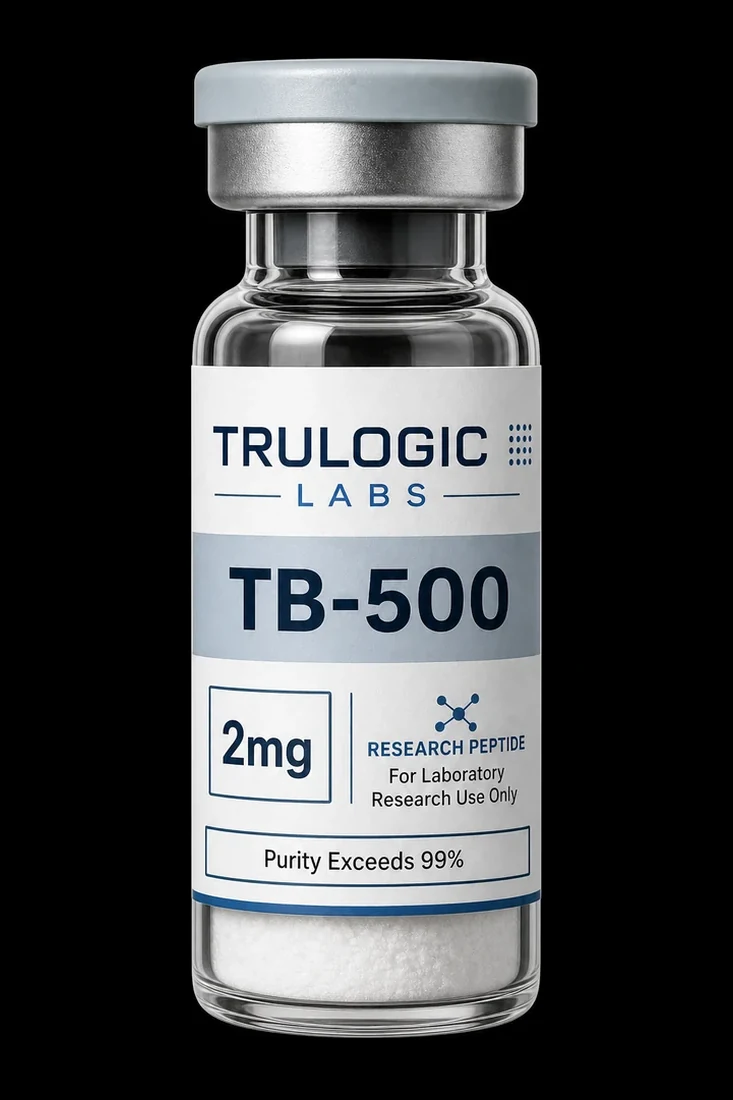
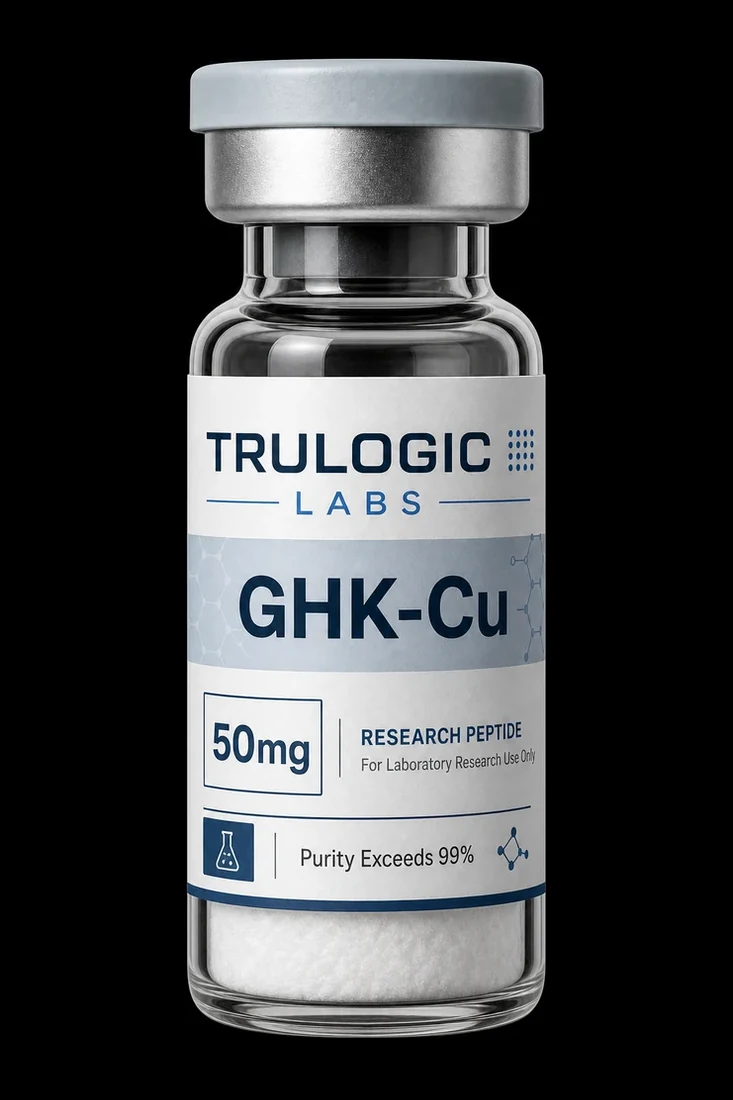
In research discussions BPC-157 is sometimes examined alongside TB-500 (thymosin beta-4 fragment) in tissue-repair contexts, and is occasionally referenced together with GHK-Cu in connective tissue research.
At a glance
Research strengths
- Extensive preclinical literature across multiple tissue-injury models
- Reported stability in gastric environments in animal studies
- Studied across several research systems (musculoskeletal and GI)
- Widely characterized synthetic sequence available at high purity
Limitations & cautions
- Very limited high-quality human clinical evidence
- Not approved for human therapeutic use by major regulators
- Mechanism of action incompletely defined
- Pharmacokinetics in humans not well characterized