Overview
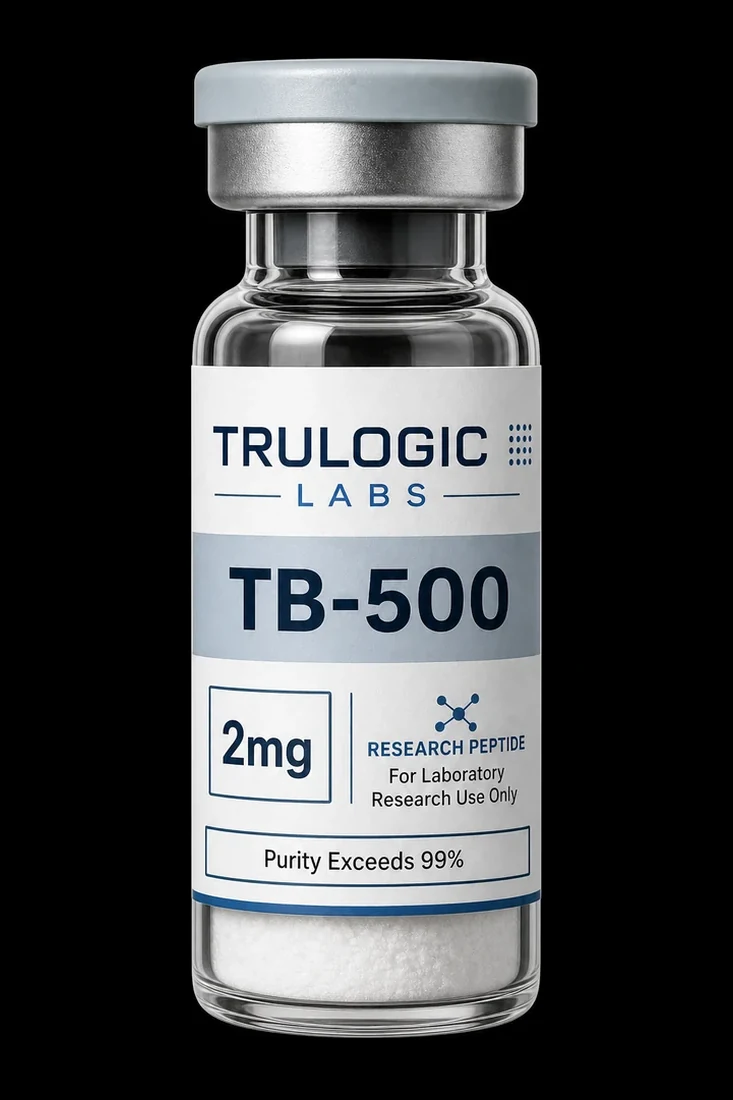
TB-500 is a synthetic peptide frequently described in research literature as corresponding to an active fragment of thymosin beta-4 (Tβ4), an abundant, naturally occurring intracellular protein. Thymosin beta-4 itself is well studied for its role in actin sequestration and cell migration, and TB-500 is investigated in similar contexts. It is not approved for human therapeutic use, and most supporting data are preclinical.
Mechanism of action
Thymosin beta-4 is a major regulator of actin, the cytoskeletal protein involved in cell structure and movement. Reported mechanisms include modulation of actin polymerization, promotion of cell migration, and support of angiogenesis. These processes are implicated in wound healing and tissue remodeling in experimental models. The extent to which the TB-500 fragment reproduces the full activity of native thymosin beta-4 is debated in the literature.
Research findings
Thymosin beta-4 is established as an actin-sequestering peptide central to cell migration in cell-based studies.,Animal studies have explored effects on wound healing and tissue repair.,Preclinical cardiac models have examined thymosin beta-4 in the context of tissue protection and repair.,Reports describe effects on angiogenesis and endothelial cell migration.,Direct controlled human trials of the TB-500 fragment are limited.
Research context
Pharmacokinetic data for TB-500 in humans are not well characterized. Preclinical literature on thymosin beta-4 suggests it can act over an extended window in tissue, but reported study ranges and protocols vary considerably and are not directly transferable to humans. This is a research reference only. Not approved for human use outside regulated settings; consult the primary literature.
Handling & storage
Lyophilized powder is typically stored frozen, protected from light and moisture, in a laboratory setting. Reconstituted peptide is generally kept cold and used within a defined window per laboratory protocol. Follow institutional handling guidance.
Reported safety signals
Human safety is not well characterized due to the lack of large controlled studies. Animal studies generally report tolerability, but this does not establish human safety.
Studied alongside
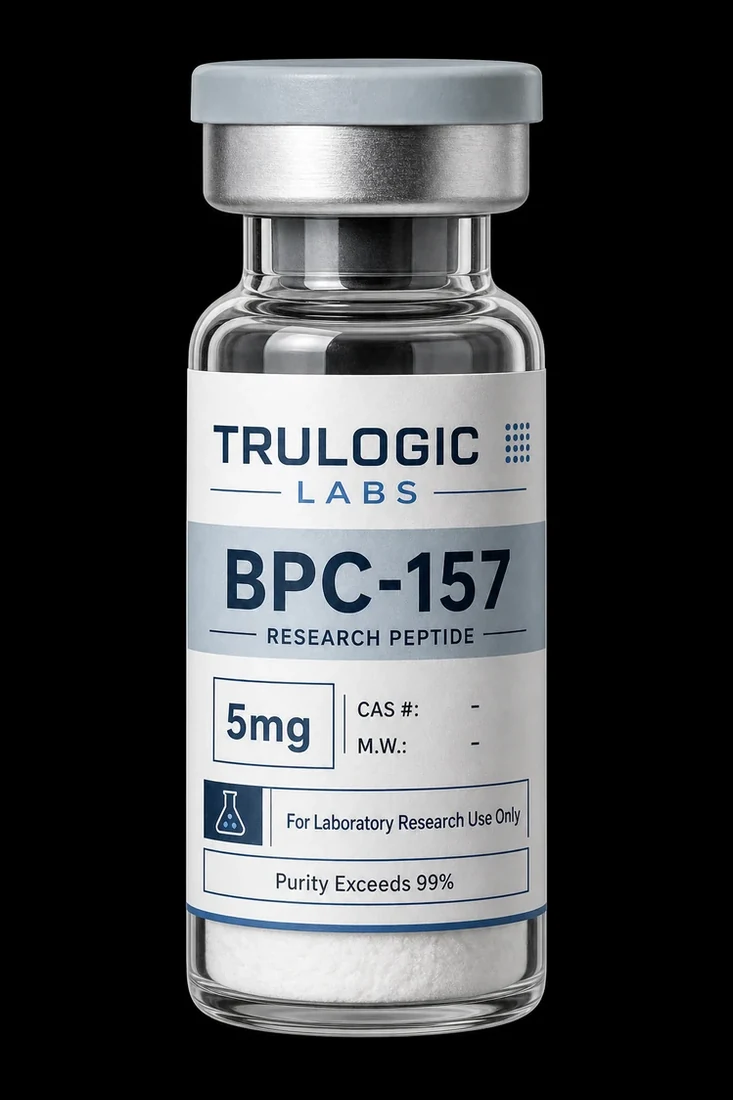
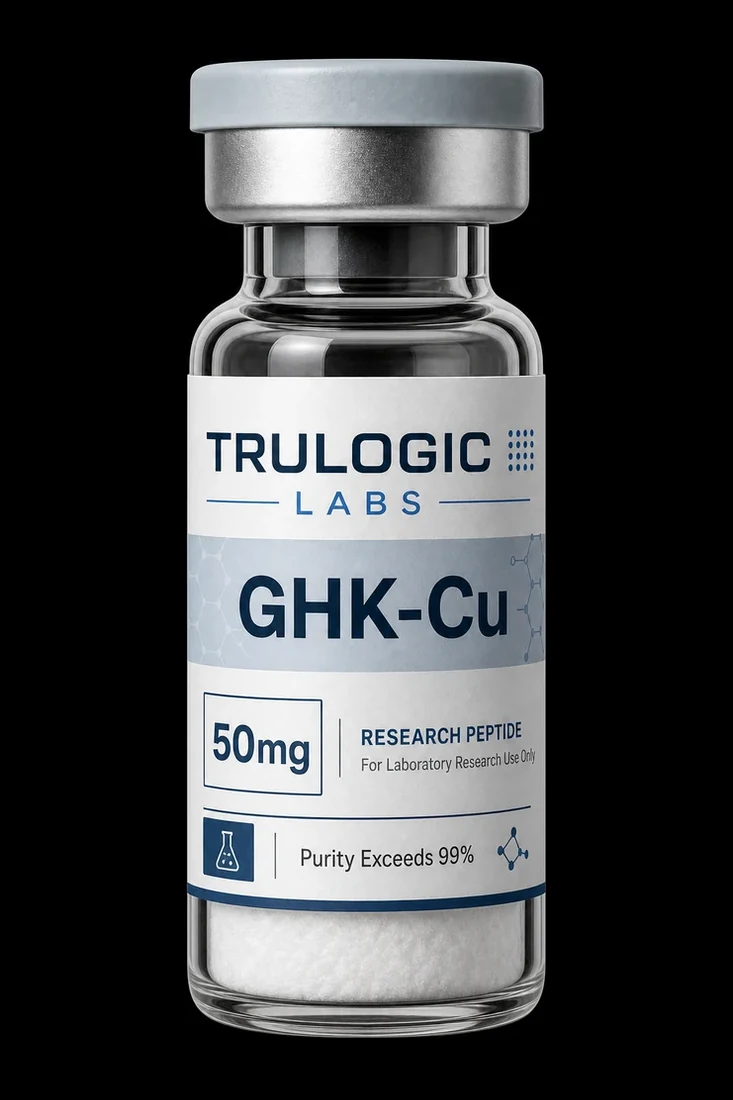
In research discussion TB-500 is often examined alongside BPC-157 in tissue-repair contexts, and is sometimes referenced together with GHK-Cu in remodeling and angiogenesis research.
At a glance
Research strengths
- Linked to a well-studied parent protein (thymosin beta-4)
- Clear cell-biology rationale around actin and cell migration
- Broad preclinical literature in repair and angiogenesis models
- Available as a high-purity synthetic peptide
Limitations & cautions
- Limited human clinical evidence for the fragment specifically
- Not approved for human therapeutic use
- Uncertainty over how well the fragment mirrors native thymosin beta-4
- Human pharmacokinetics not well characterized