Overview
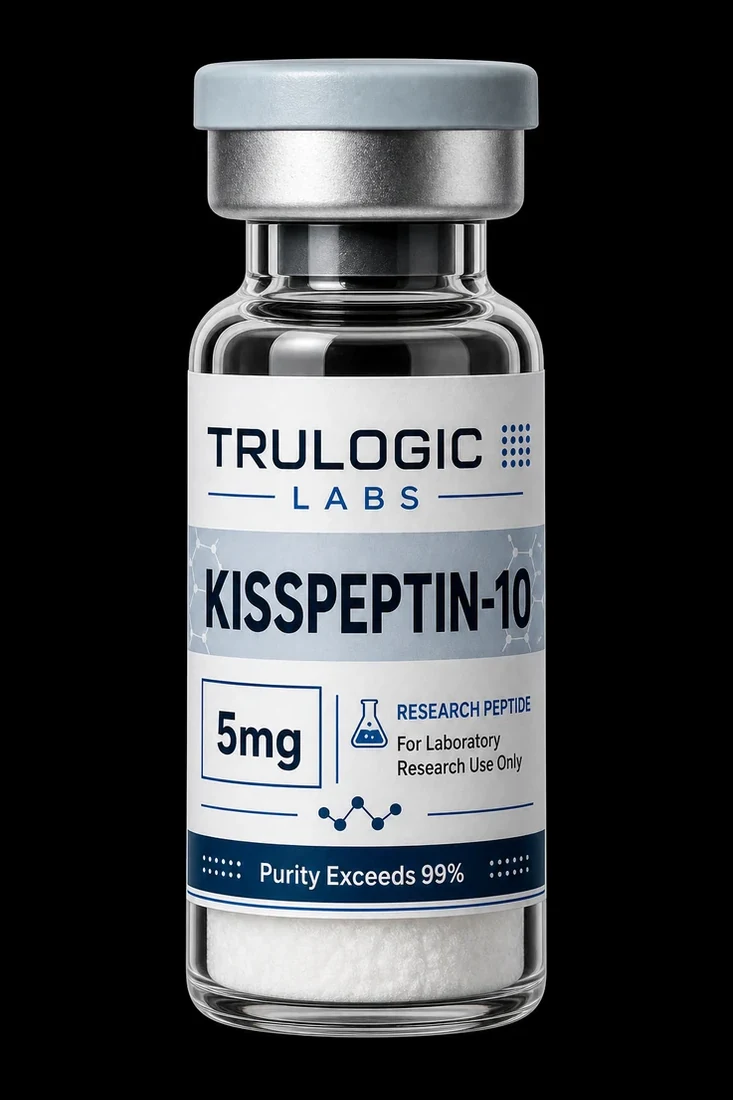
Kisspeptin-10 is the shortest biologically active fragment of kisspeptin, the peptide product of the KISS1 gene. It has become a major focus of reproductive neuroendocrinology research because of its position as a key upstream regulator of the hypothalamic-pituitary-gonadal axis.
It has been studied in clinical research settings for its ability to stimulate GnRH and downstream gonadotropin release, with investigation into fertility, hypothalamic amenorrhea, and related reproductive contexts. It is not an approved drug.
Mechanism of action
Research suggests Kisspeptin-10 binds the KISS1 receptor (also known as GPR54) on hypothalamic neurons, stimulating the release of gonadotropin-releasing hormone. Increased GnRH in turn drives the pituitary to release luteinizing hormone and follicle-stimulating hormone.
This places kisspeptin upstream of GnRH itself in the reproductive axis, which is why it is studied as a potentially more physiologic way to probe and stimulate the system than direct GnRH analogs.
Research findings
Has been studied as an upstream stimulator of GnRH release in reproductive neuroendocrinology.,Research suggests it triggers downstream LH and FSH secretion via the pituitary.,Investigated in fertility and hypothalamic amenorrhea research contexts.,Studied for its potential to assess reproductive axis function.,Reported to have a very short circulating half-life requiring frequent dosing in studies.
Research context
Kisspeptin-10 has a notably short circulating half-life on the order of a few minutes, which shapes how it is studied in clinical research, often as infusions or repeated administration in controlled settings. Reported study parameters vary by research question and population. This entry summarizes those findings at a high level only. This is a research reference only. Not approved for human use outside regulated settings; consult the primary literature.
Handling & storage
Lyophilized peptide is typically stored at -20 degrees Celsius for long-term laboratory storage and protected from light and moisture. After reconstitution in a laboratory context it is generally refrigerated and used within a limited window. Avoid repeated freeze-thaw cycles.
Reported safety signals
In clinical research it has generally been reported as well tolerated, with effects relating to its hormonal activity. As an upstream reproductive-axis modulator, hormonal responses are the principal consideration. Safety characterization should rely on the primary literature.
Studied alongside
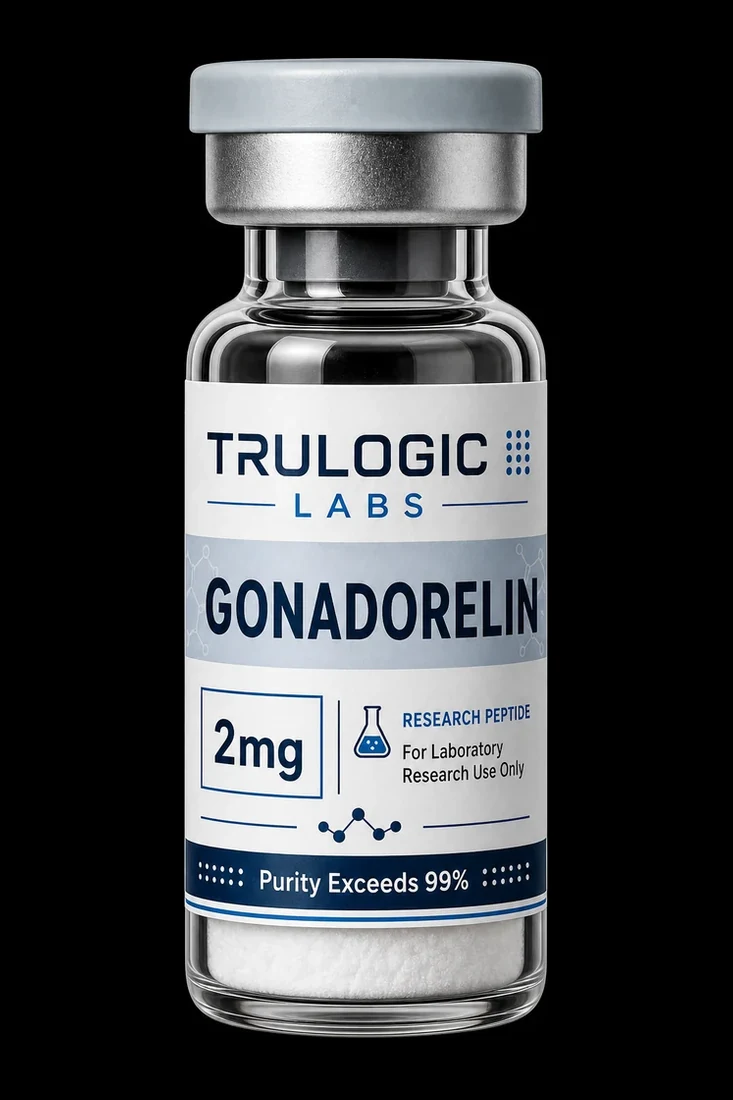
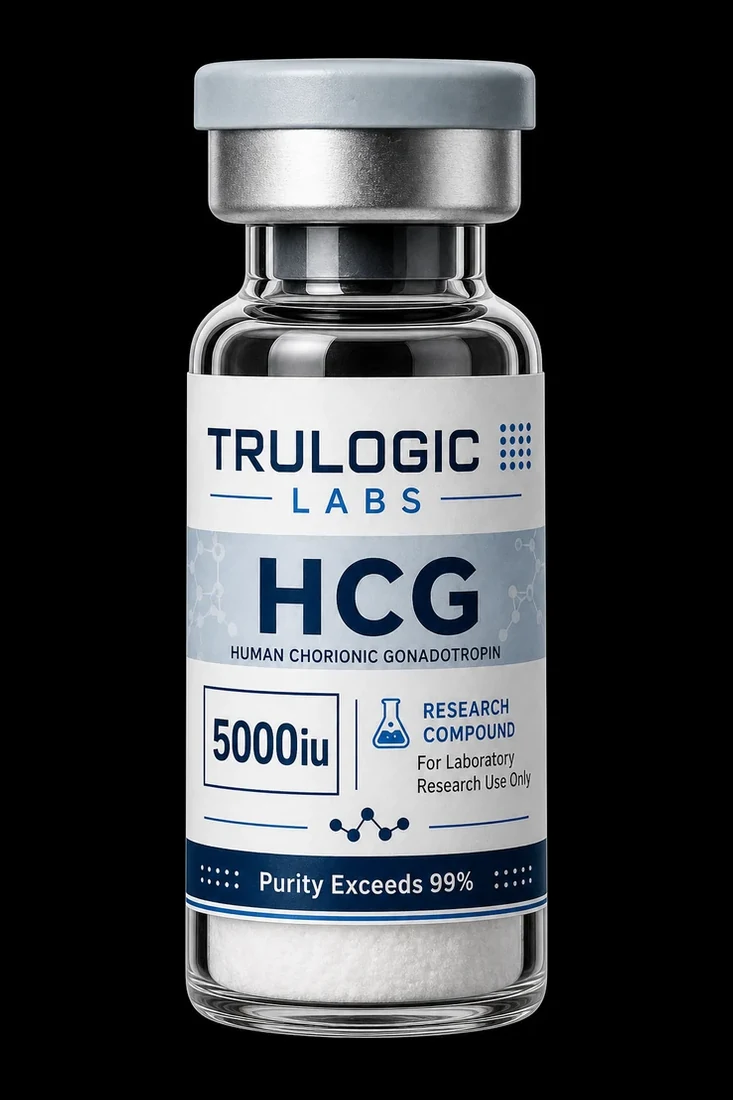
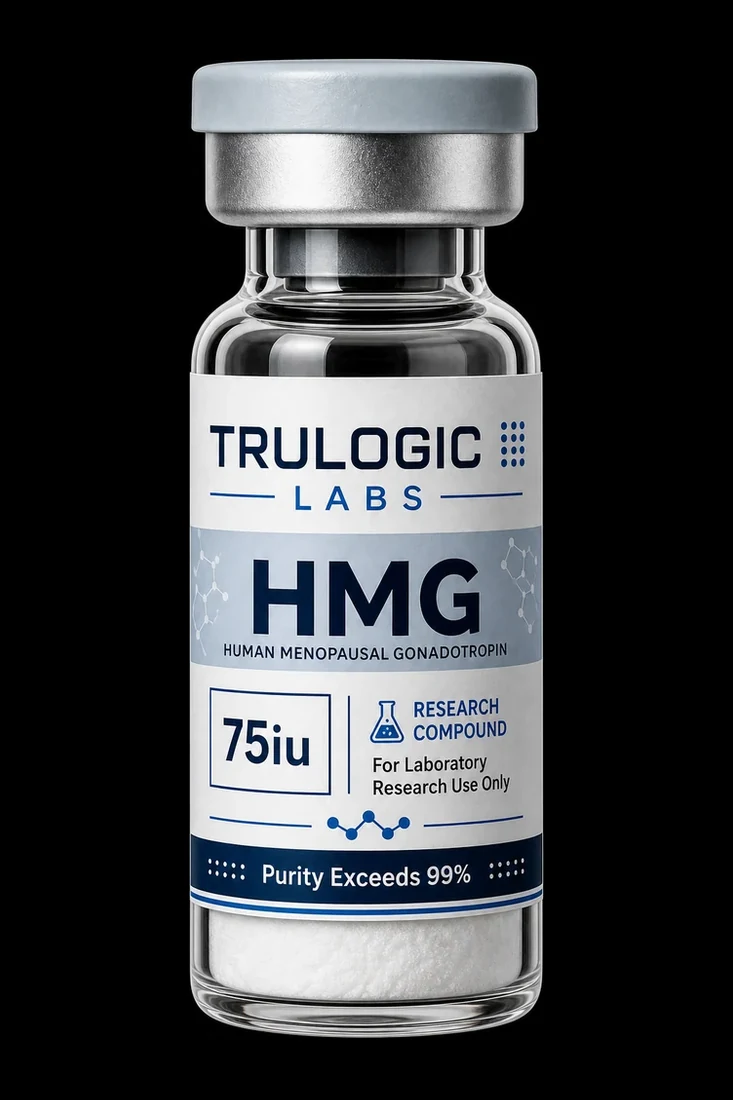
It is discussed in reproductive-research contexts alongside GnRH-axis agents such as gonadorelin and gonadotropins like HCG and HMG, since all act on the hypothalamic-pituitary-gonadal axis at different levels. Combination data remain primarily within research settings.
At a glance
Research strengths
- Acts upstream of GnRH, high in the reproductive axis.
- Active and growing body of reproductive-endocrinology research.
- Studied as a physiologic probe of axis function.
- Generally reported as well tolerated in clinical research.
Limitations & cautions
- Very short circulating half-life.
- Not an approved therapeutic.
- Effects are highly context- and dose-pattern dependent in studies.
- Long-term and combination data are limited.