Overview
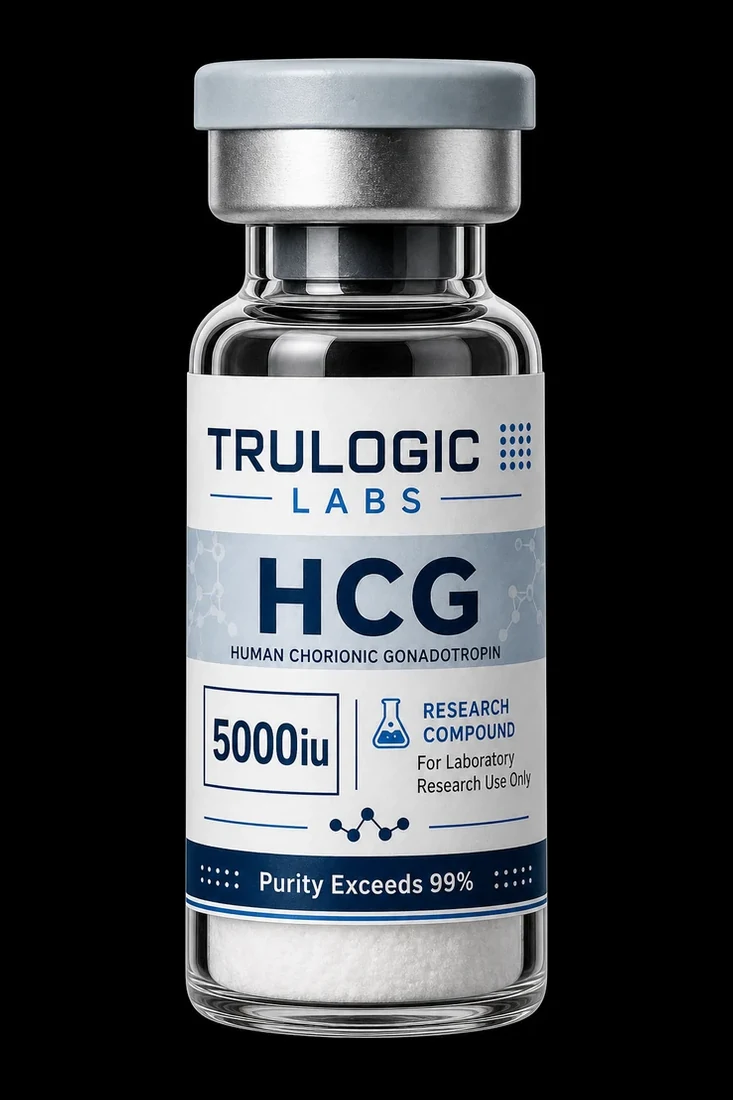
Human chorionic gonadotropin is a glycoprotein hormone composed of an alpha subunit shared with other gonadotropins and a beta subunit that confers its specific activity. It is produced in large quantities by the placenta during pregnancy and is the hormone detected by pregnancy tests.
HCG is a well-established, approved medicine used in fertility medicine and certain endocrine settings. Because it mimics luteinizing hormone, it has long been studied for its ability to stimulate gonadal function in both research and clinical contexts.
Mechanism of action
Research and clinical pharmacology indicate HCG binds and activates the luteinizing hormone receptor, producing LH-like effects on the gonads. In testicular tissue this stimulates Leydig cells to produce testosterone, and in ovarian tissue it supports processes including ovulation and corpus luteum function.
Because its receptor target overlaps with LH, it is used and studied as a surrogate for endogenous luteinizing hormone signaling within the reproductive axis.
Research findings
Has been studied and clinically used to stimulate gonadal steroidogenesis via LH-receptor activity.,Established role in fertility medicine, including ovulation induction protocols.,Research suggests it supports testicular function by stimulating Leydig cells.,Studied in the context of maintaining gonadal function during hormonal suppression.,Longer-acting profile than endogenous LH due to its glycosylation.
Research context
HCG has a relatively long, biphasic circulating half-life on the order of a day or more, reflecting its glycosylated structure. Its pharmacokinetics are well characterized through extensive clinical use, and study parameters vary by reproductive or endocrine indication. This entry summarizes findings at a high level only. This is a research reference only. Not approved for human use outside regulated settings; consult the primary literature.
Handling & storage
Lyophilized hormone is typically stored at refrigerated or -20 degrees Celsius conditions for long-term laboratory storage and protected from light and moisture. After reconstitution in a laboratory context it is generally refrigerated and used within a limited window per established protocols. Avoid repeated freeze-thaw cycles.
Reported safety signals
Clinical literature reports effects related to its hormonal activity, including injection-site reactions and, in fertility contexts, considerations such as ovarian hyperstimulation. Effects relate to its gonadotropic action. Safety characterization should rely on the primary literature.
Studied alongside
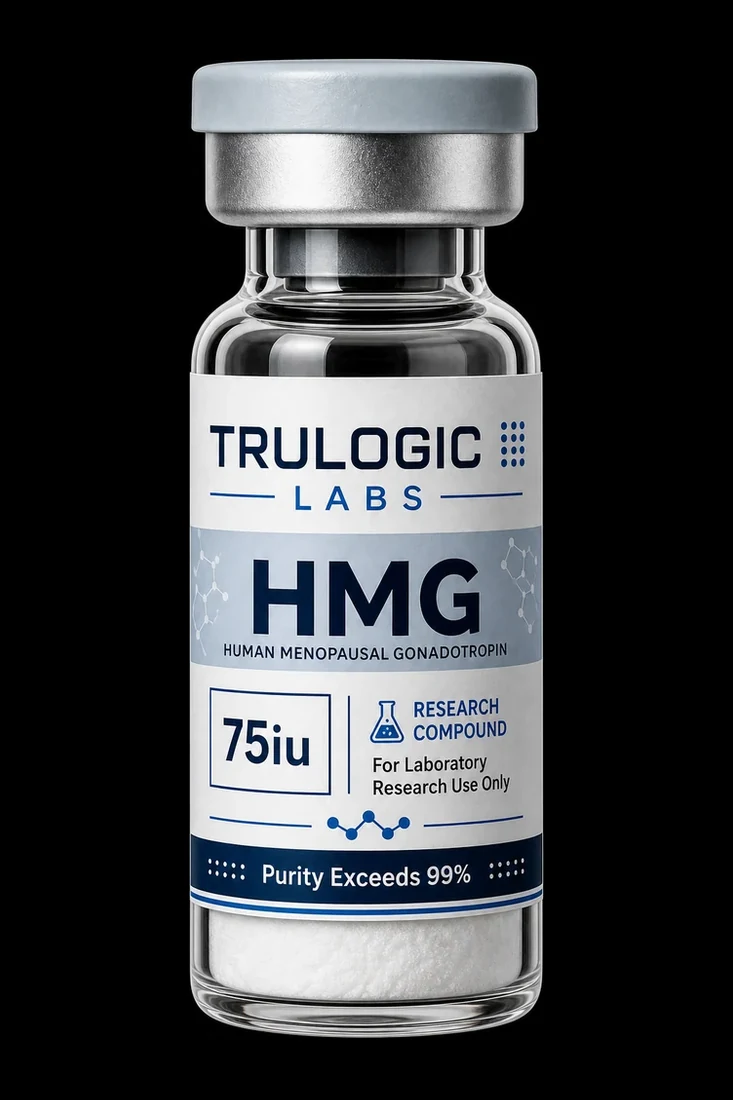
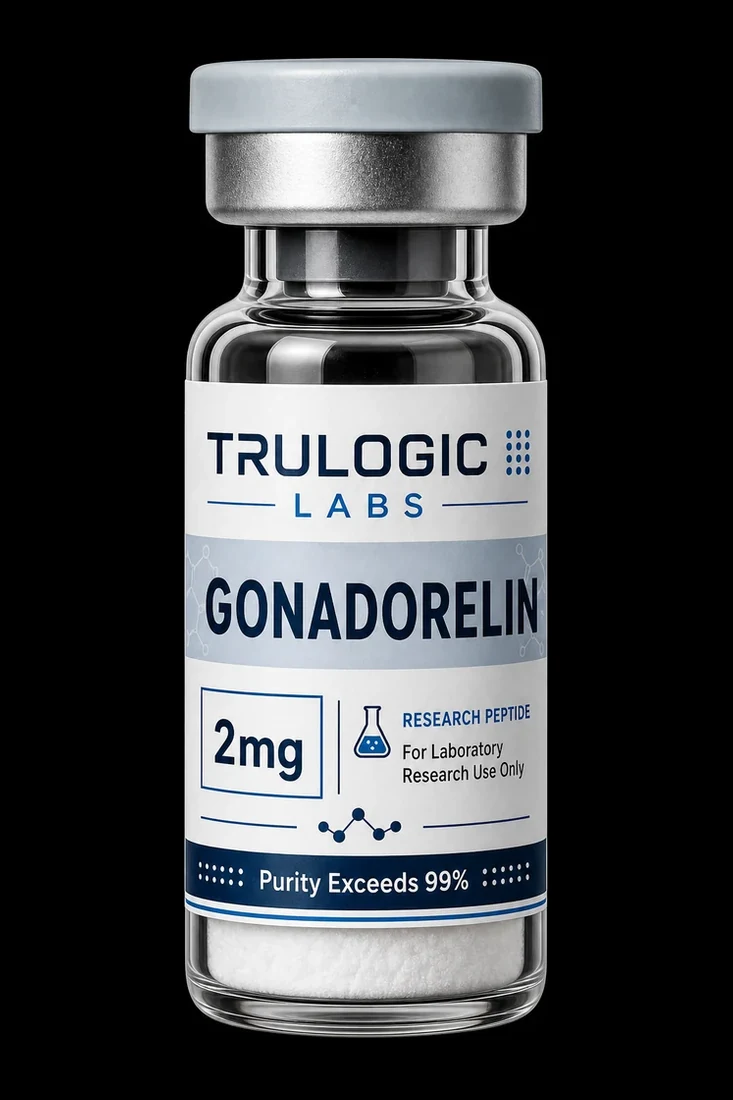
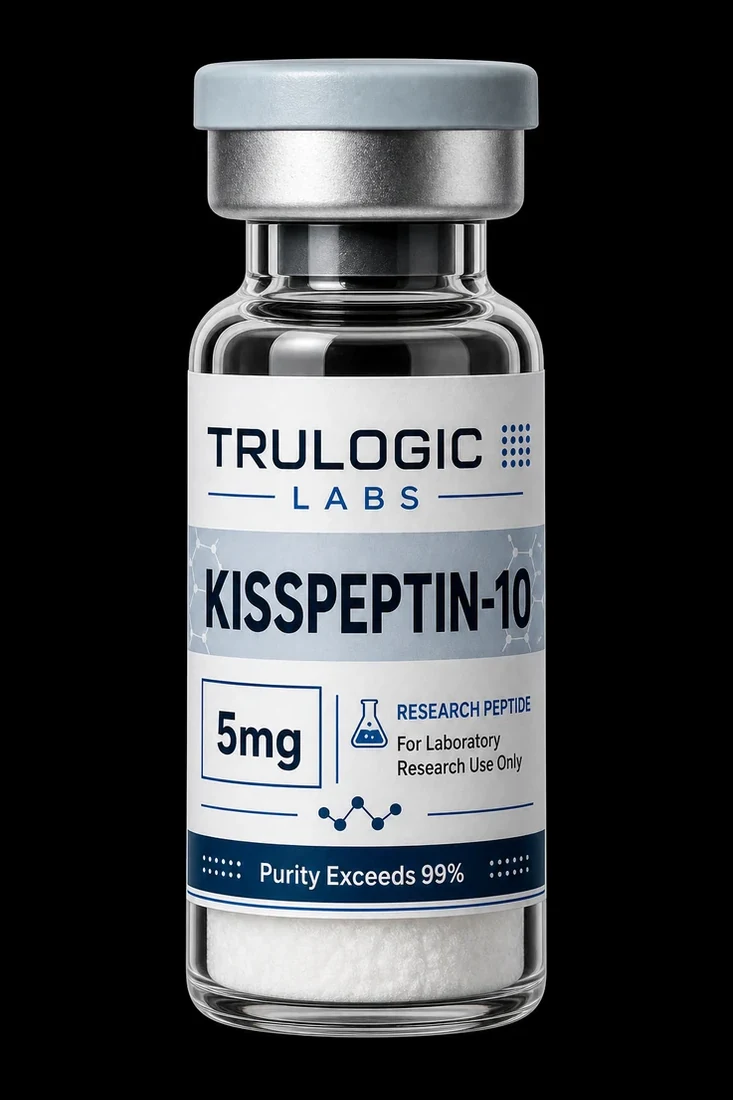
Within reproductive and endocrine research it is discussed alongside other axis agents such as HMG (which provides FSH-like activity), gonadorelin, and kisspeptin-10. In fertility protocols HCG and HMG are classically studied together to provide combined LH-like and FSH-like stimulation.
At a glance
Research strengths
- Well-established, approved hormone with extensive clinical data.
- Strong, predictable LH-like gonadal stimulation.
- Longer-acting than endogenous LH.
- Central role in established fertility protocols.
Limitations & cautions
- Hormonal activity carries indication-specific risks such as ovarian hyperstimulation.
- Requires careful clinical oversight in approved use.
- Glycoprotein structure makes handling more sensitive than small peptides.
- Effects depend heavily on the broader endocrine context.