Overview
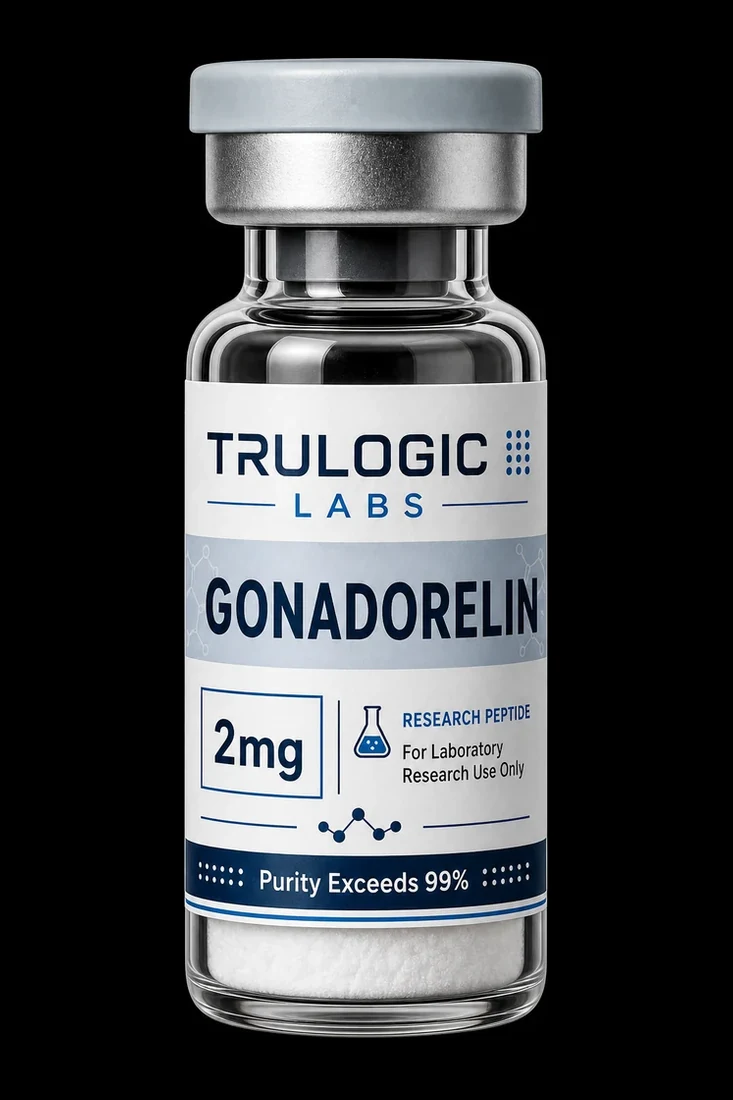
Gonadorelin is a synthetic peptide with the same 10-amino-acid sequence as endogenous gonadotropin-releasing hormone (GnRH), the hypothalamic hormone that governs pituitary gonadotropin output. It sits at the top of the hormonal cascade that controls reproductive function.
It has approved diagnostic and reproductive uses and has been studied extensively for how the pattern of GnRH exposure shapes the pituitary response, a defining feature of GnRH-axis pharmacology.
Mechanism of action
Research indicates Gonadorelin binds GnRH receptors on pituitary gonadotrope cells, stimulating the synthesis and release of luteinizing hormone and follicle-stimulating hormone. A central principle is that pulsatile, intermittent exposure stimulates the axis, whereas continuous exposure tends to desensitize and downregulate it.
This exposure-pattern dependence distinguishes short-acting GnRH such as gonadorelin from long-acting GnRH analogs used specifically to suppress the axis.
Research findings
Has been studied for pulsatile stimulation of pituitary LH and FSH release.,Research suggests continuous exposure downregulates the axis while pulsatile exposure stimulates it.,Used diagnostically to assess pituitary gonadotropin reserve.,Studied in reproductive contexts to support endogenous axis function.,Very short half-life shapes how it is administered in studies.
Research context
Gonadorelin has a very short circulating half-life of only a few minutes, which is central to why its effects depend on the pattern of exposure rather than total amount. Its pharmacokinetics are well characterized through diagnostic and research use, with parameters varying by protocol. This entry summarizes findings at a high level only. This is a research reference only. Not approved for human use outside regulated settings; consult the primary literature.
Handling & storage
Lyophilized peptide is typically stored at -20 degrees Celsius for long-term laboratory storage and protected from light and moisture. After reconstitution in a laboratory context it is generally refrigerated and used within a limited window. Avoid repeated freeze-thaw cycles.
Reported safety signals
Clinical literature generally reports it as well tolerated, with effects relating to its hormonal activity and occasional injection-site reactions. Effects relate to gonadotropin stimulation. Safety characterization should rely on the primary literature.
Studied alongside
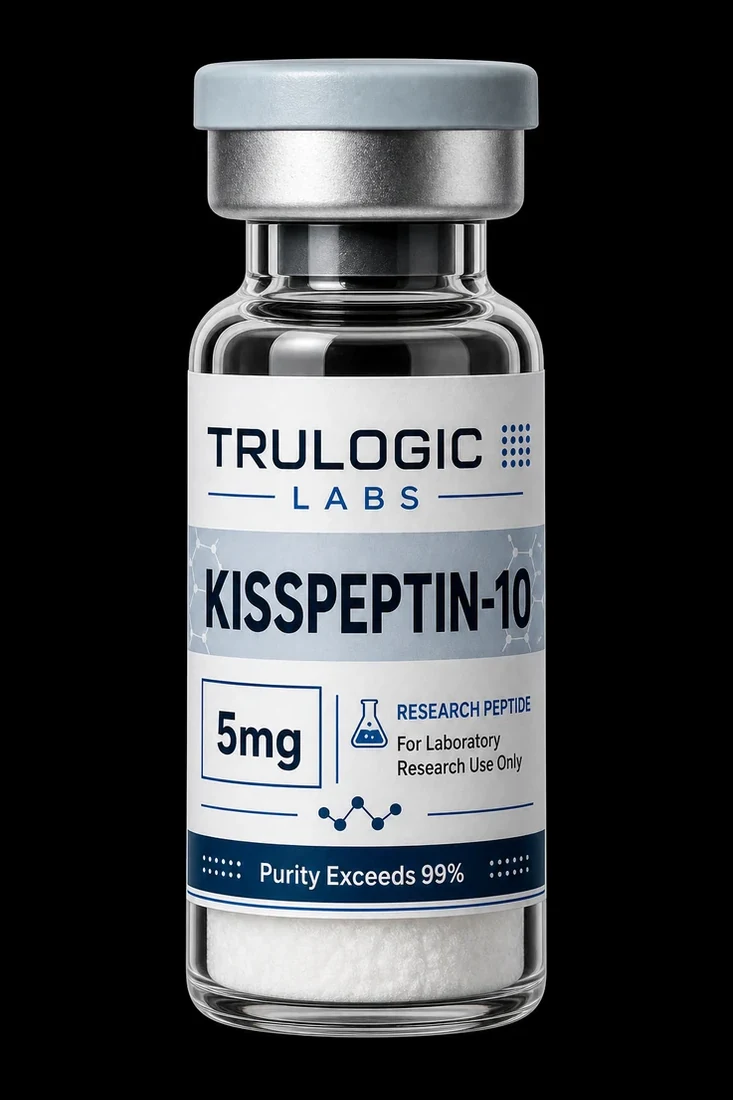
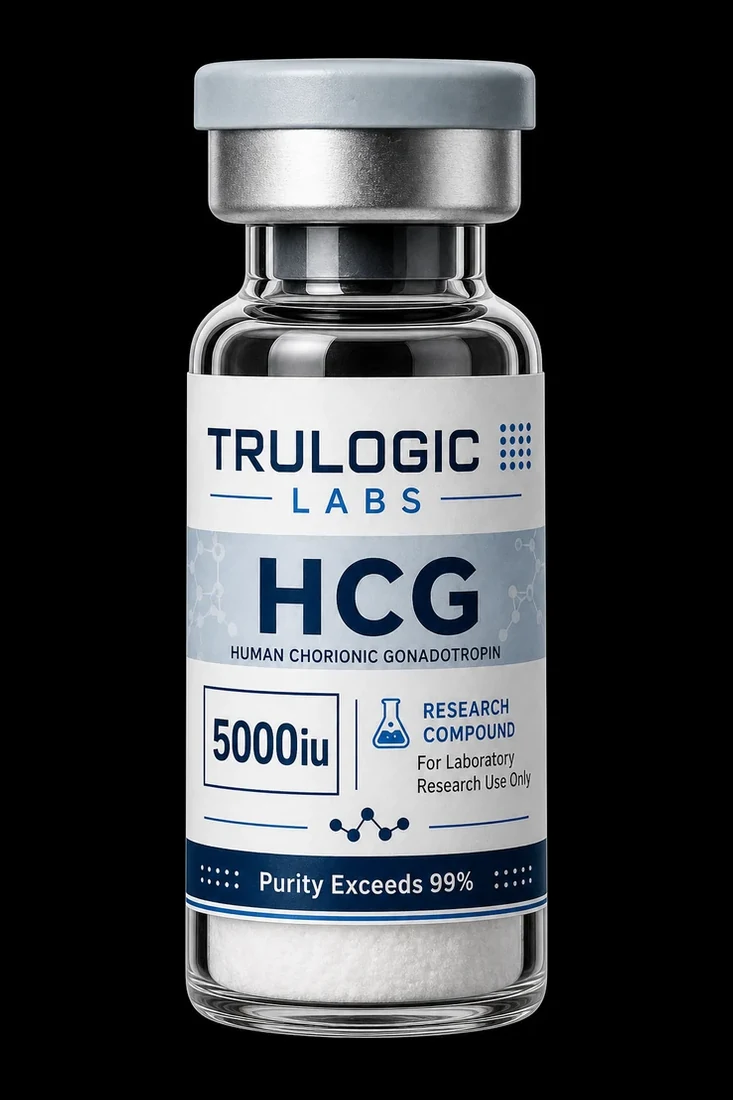
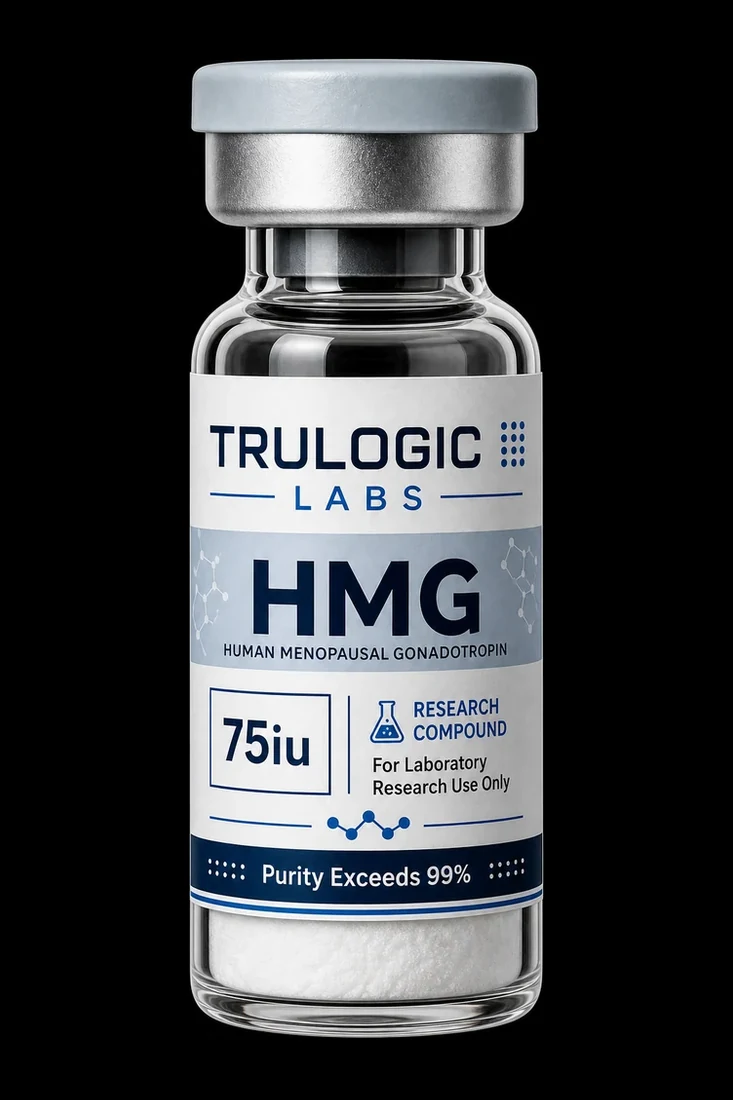
Within reproductive research it is discussed alongside the gonadotropins HCG and HMG, which act further downstream at the gonads, and kisspeptin-10, which acts upstream of GnRH itself. Together these map onto different levels of the hypothalamic-pituitary-gonadal axis.
At a glance
Research strengths
- Identical sequence to natural GnRH.
- Acts at the top of the reproductive hormonal cascade.
- Useful, approved diagnostic role for pituitary function.
- Well-understood exposure-pattern pharmacology.
Limitations & cautions
- Extremely short half-life.
- Effects depend critically on the pattern of exposure.
- Continuous exposure can desensitize the axis.
- Narrow approved indications.