Overview
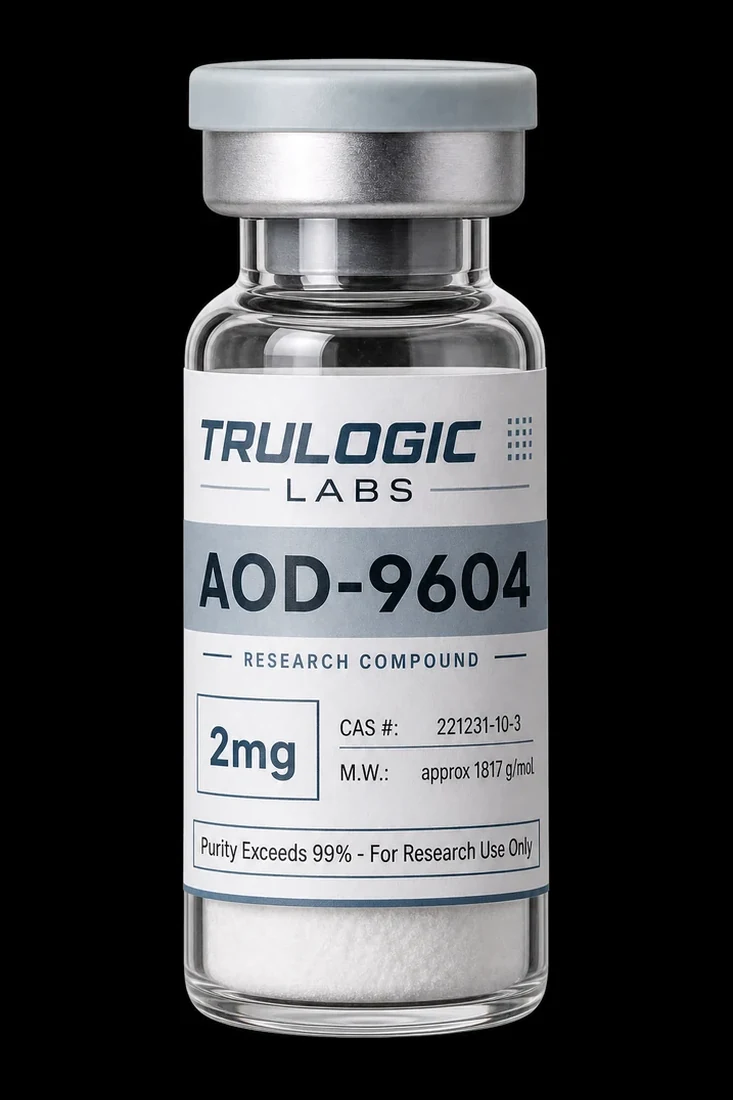
AOD-9604 (also referred to as a modified human growth hormone fragment 176-191 analog) is a synthetic peptide based on the C-terminal segment of human growth hormone (hGH). The parent fragment, hGH 176-191, was identified in research as the region of the growth hormone molecule associated with regulation of fat metabolism. AOD-9604 adds a tyrosine residue at the N-terminus of this fragment.
The compound was investigated in clinical and preclinical programs as a candidate for obesity-related research. It is widely cited in the research-peptide literature as an example of a growth-hormone-derived molecule studied for metabolic, rather than somatotropic, activity.
Mechanism of action
AOD-9604 has been studied as a regulator of lipid metabolism. Preclinical reports describe effects consistent with stimulation of lipolysis (the breakdown of stored fat) and inhibition of lipogenesis (the formation of new fat), with these effects observed in adipose tissue models.
Unlike full-length growth hormone, AOD-9604 has been reported in research not to produce significant increases in insulin-like growth factor 1 (IGF-1) or to exert the broad growth-promoting signaling of the intact hormone. The precise receptor interactions remain incompletely characterized in the published literature.
Research findings
- Studied in preclinical models for effects on adipose tissue lipolysis and lipogenesis.
- Reported to lack the IGF-1-elevating and growth-promoting activity associated with full-length growth hormone.
- Investigated in human clinical trials for obesity-related endpoints, with mixed reported outcomes on body weight.
- Examined separately in research contexts unrelated to fat metabolism, including cartilage and connective-tissue models.
- Frequently referenced as a model compound for growth-hormone fragment pharmacology.
Research context
Published reports describe AOD-9604 as having a relatively short circulating presence, with pharmacokinetic parameters that vary across study designs and routes of administration. Study dose ranges in the research literature have differed substantially between preclinical and clinical programs, and direct comparisons are complicated by differences in models and endpoints. Readers should consult the original studies for specific parameters rather than generalizing across reports. This is a research reference only. Not approved for human use outside regulated settings; consult the primary literature.
Handling & storage
Lyophilized peptide material is generally reported as stable when stored sealed and protected from light and moisture, with cool or frozen storage recommended for long-term laboratory storage. Once reconstituted, peptide solutions are typically described as less stable and are stored refrigerated for shorter periods. Standard laboratory practice for handling lyophilized peptides applies, including minimizing freeze-thaw cycles.
Reported safety signals
Human trial reports of AOD-9604 generally described it as well tolerated at the levels studied, with adverse events broadly comparable to placebo in some programs. As with any investigational compound, the safety profile outside controlled research settings is not established, and long-term effects are not well characterized.
Studied alongside
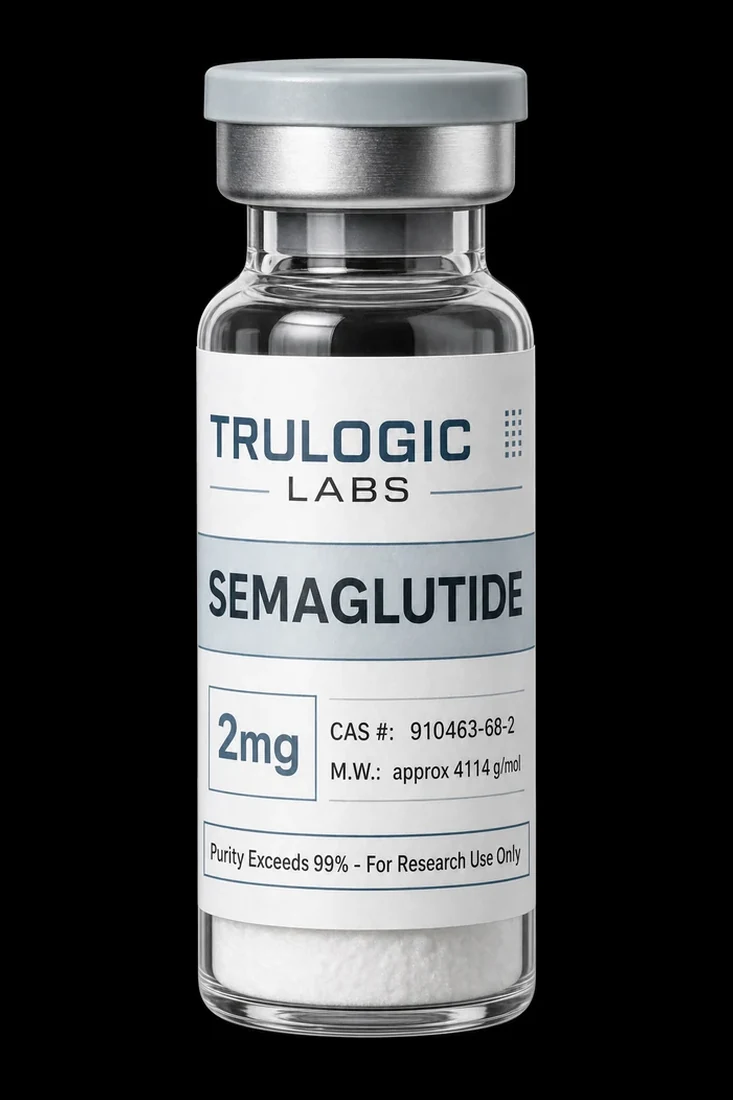
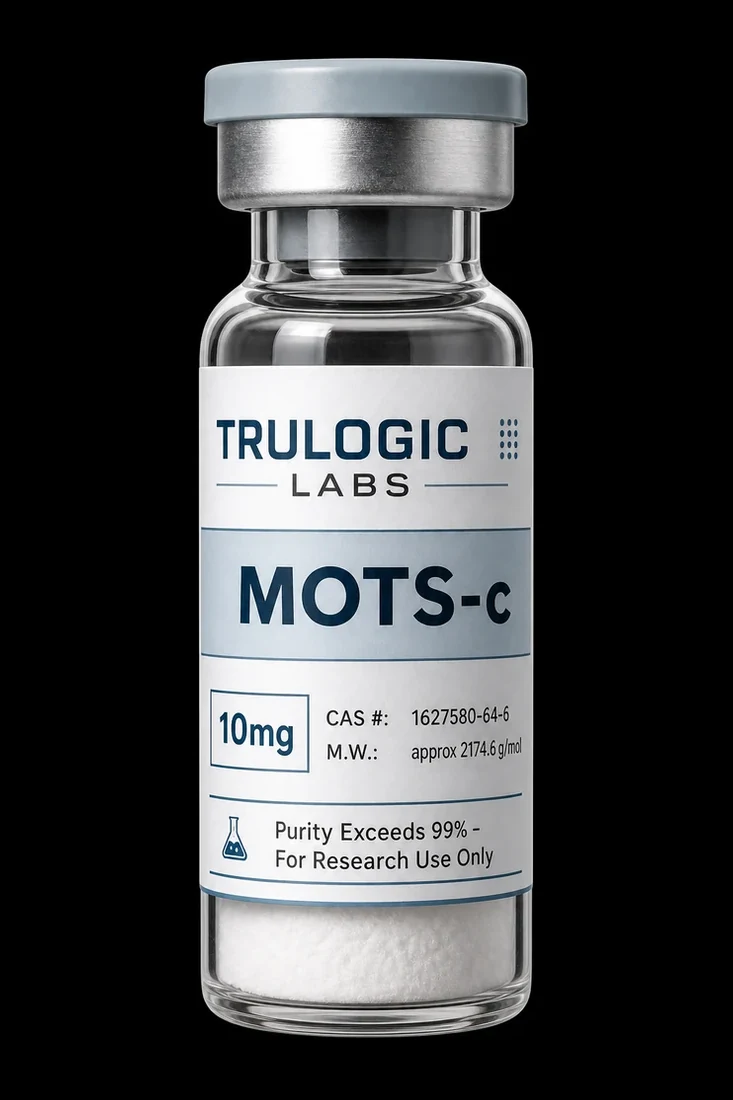
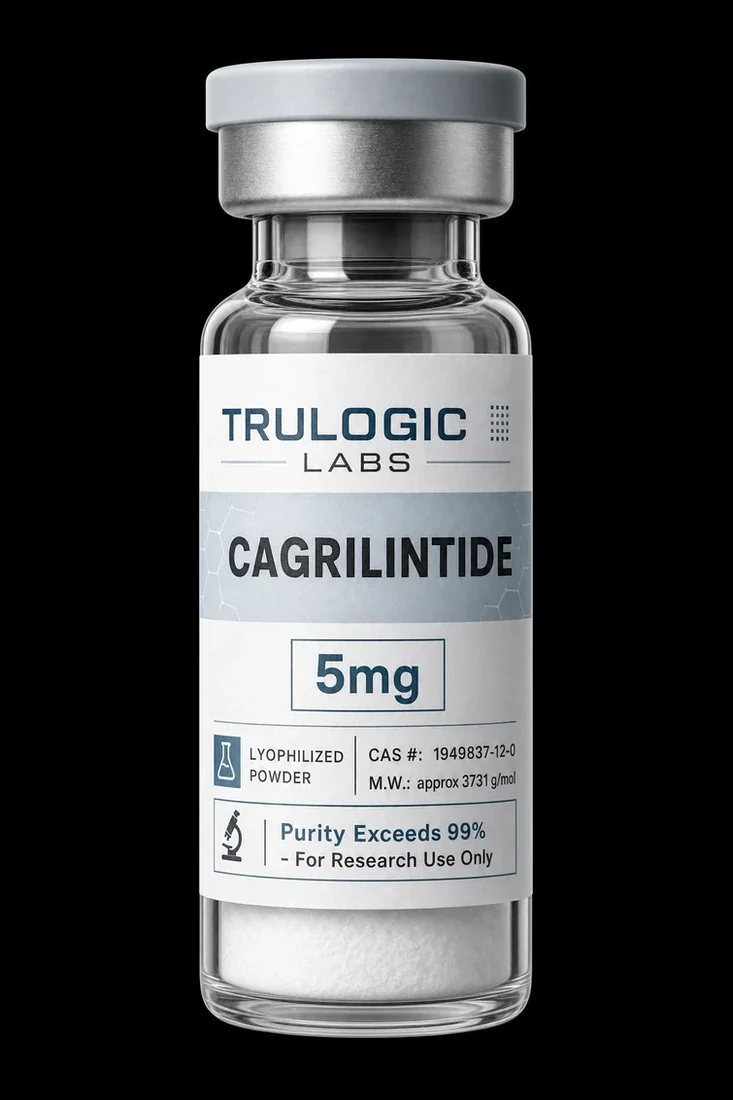
In the research-peptide literature, AOD-9604 is sometimes discussed alongside other metabolically studied compounds such as MOTS-c and fragment or secretagogue peptides. It is also frequently contrasted with GLP-1 and amylin pathway agents such as semaglutide and cagrilintide, which act through entirely different mechanisms.
At a glance
Research strengths
- Reported in research to act on fat metabolism without the IGF-1 elevation of full-length growth hormone.
- Has been evaluated in human clinical trials, providing some published tolerability data.
- Well-defined as a structural analog of a known growth-hormone fragment.
- Frequently used as a reference compound in growth-hormone fragment pharmacology.
Limitations & cautions
- Clinical efficacy outcomes for body weight have been mixed in published reports.
- Precise receptor-level mechanism is incompletely characterized.
- Not approved for therapeutic use; status is investigational or research-only.
- Pharmacokinetic parameters vary across studies and are not fully standardized.