Overview
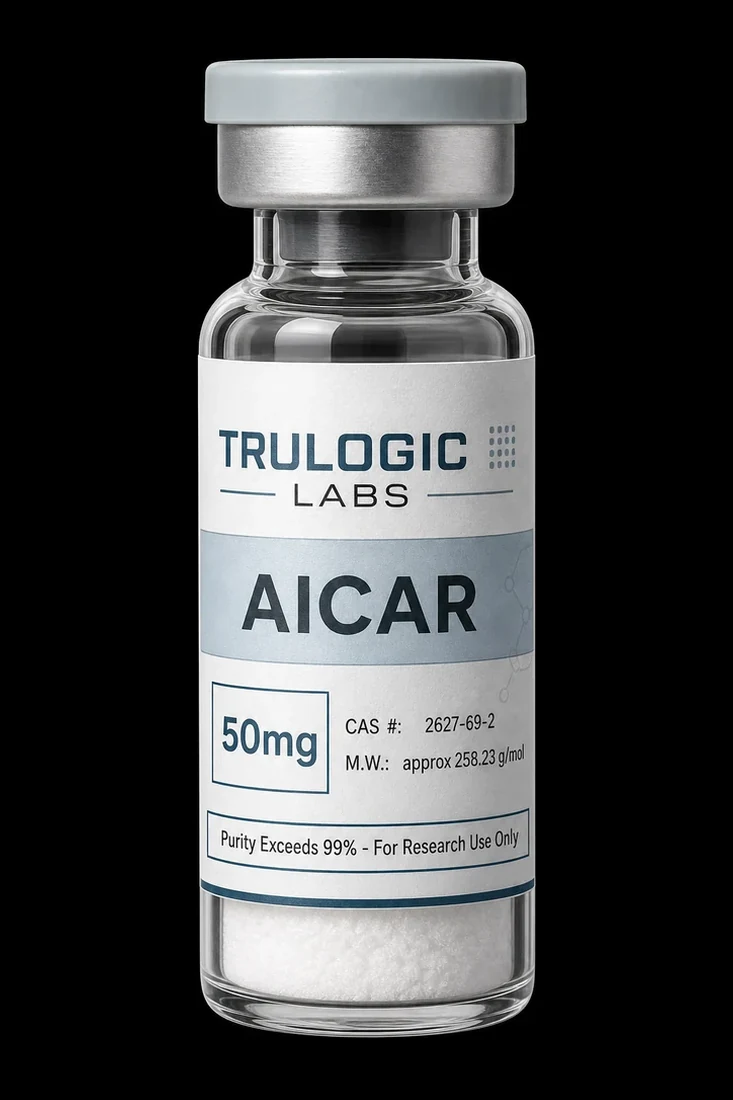
AICAR (5-aminoimidazole-4-carboxamide ribonucleotide), also known as acadesine or AICA riboside, is a small-molecule compound that mimics AMP within cells. It is one of the most widely used research tools for activating AMP-activated protein kinase (AMPK).
AMPK is a master regulator of cellular energy balance, activated when cellular energy is low. Because AICAR can switch on AMPK, it has been studied extensively in metabolic, cardiac, and exercise-physiology research, and is a standard reference compound in this field.
Mechanism of action
Inside cells, AICAR is converted to ZMP, a compound that mimics AMP and thereby activates AMPK. Activated AMPK shifts cells toward energy-generating processes and away from energy-consuming ones.
In research models, AMPK activation by AICAR has been associated with increased glucose uptake, enhanced fatty-acid oxidation, and changes in mitochondrial biogenesis and gene expression linked to endurance adaptation. The breadth of downstream effects reflects AMPK’s central role in metabolism.
Research findings
- Established as a standard pharmacological activator of AMPK in research.
- Studied for effects on glucose uptake and insulin sensitivity in models.
- Examined for promotion of fatty-acid oxidation and mitochondrial adaptation.
- Investigated in exercise-physiology research, including endurance-related endpoints in animal models.
- Studied in cardiac-protection and ischemia research contexts as acadesine.
Research context
AICAR is generally reported to have a short circulating presence, with pharmacokinetic parameters that vary across models and routes. Study dose ranges in preclinical work span a wide range depending on the system, and there is no standardized framework across the literature. It is prohibited in sport by anti-doping authorities, a notable element of its research and regulatory history. This is a research reference only. Not approved for human use outside regulated settings; consult the primary literature.
Handling & storage
As a small-molecule powder, AICAR is generally reported as stable when stored sealed, dry, and protected from light, with cold storage recommended for long-term laboratory storage. Solutions are typically described as less stable than the dry powder. Standard laboratory handling for small-molecule reagents applies.
Reported safety signals
Preclinical and clinical research on acadesine has reported various effects depending on context and exposure. The full side-effect profile outside controlled research settings is not established. As with any investigational small molecule, effects outside regulated study are not well characterized.
Studied alongside
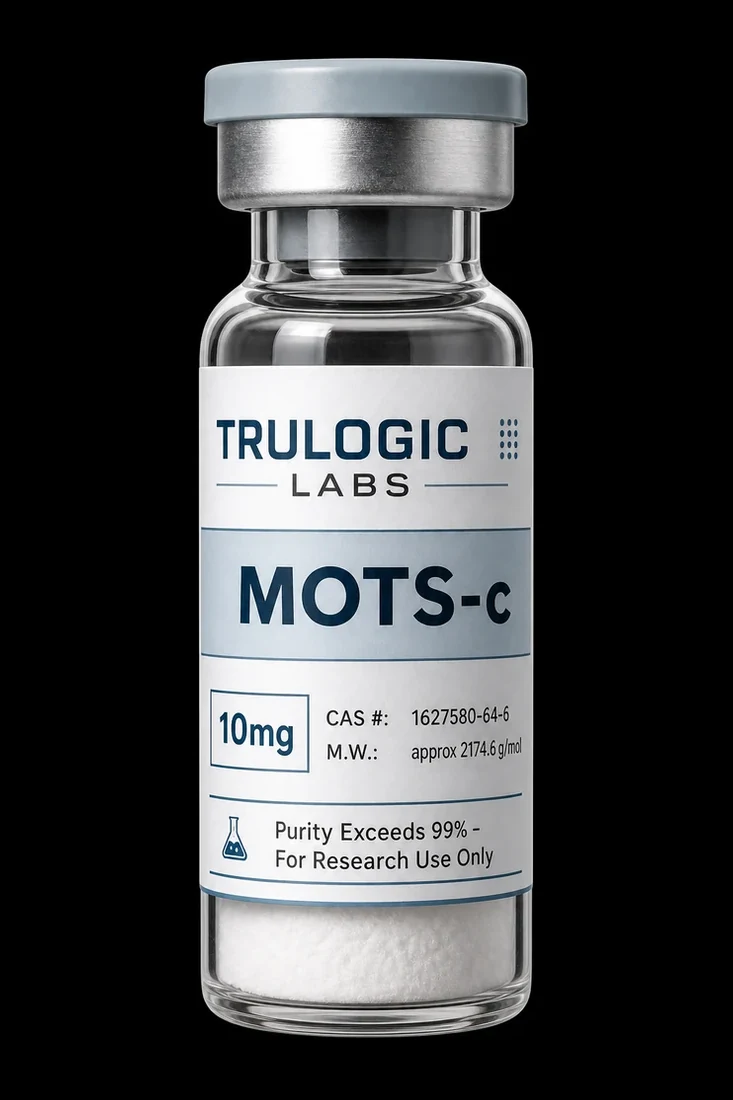
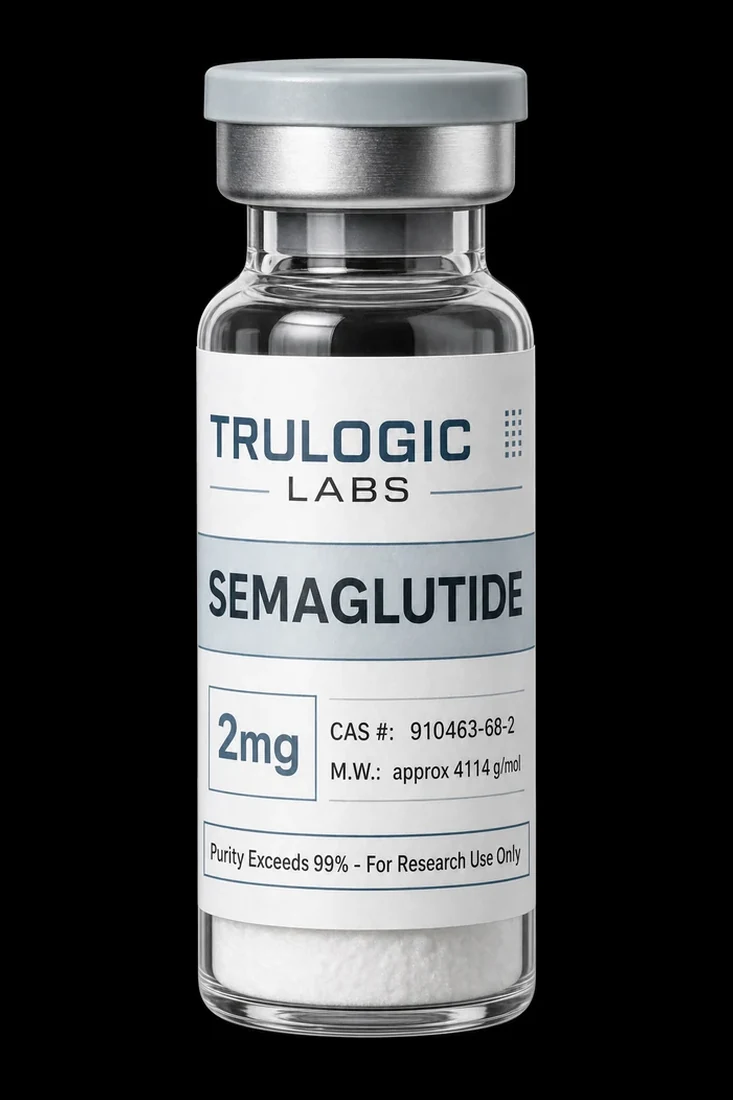
In research contexts, AICAR is often compared with other compounds that influence the AMPK or mitochondrial-energy axis, including the mitochondrial-derived peptide MOTS-c. It is mechanistically distinct from GLP-1 and amylin pathway agents such as semaglutide and cagrilintide, which are sometimes referenced for contrast.
At a glance
Research strengths
- Well-established, widely used pharmacological AMPK activator.
- Extensive preclinical literature across metabolism and cardiac research.
- Defined small-molecule structure and mechanism via ZMP.
- Useful reference tool for AMPK-pathway studies.
Limitations & cautions
- Short circulating presence and variable pharmacokinetics.
- Prohibited in sport by anti-doping authorities.
- Not approved for general therapeutic use; research-only status.
- Human safety profile outside study is not well characterized.