Overview
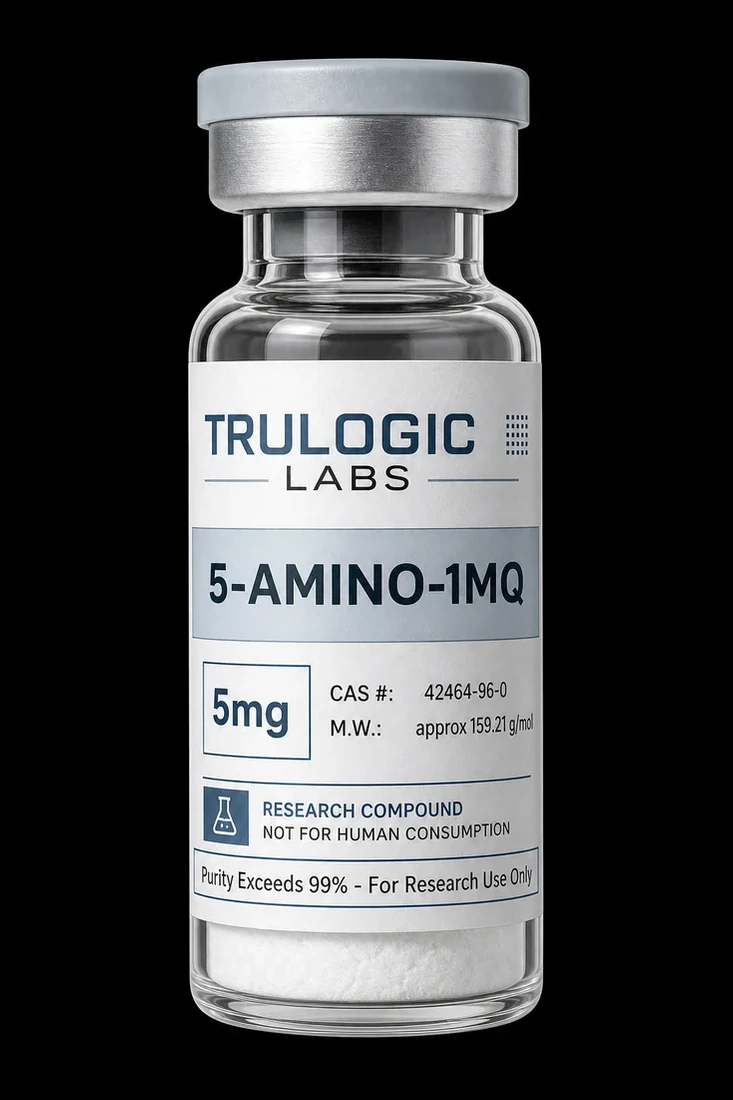
5-Amino-1MQ (5-amino-1-methylquinolinium) is a small-molecule compound built on a quinolinium scaffold bearing a methyl group at the ring nitrogen and an amino group at the 5-position. It is studied primarily as a selective inhibitor of nicotinamide N-methyltransferase (NNMT).
NNMT is an enzyme that methylates nicotinamide using S-adenosylmethionine (SAM) as the methyl donor. Because nicotinamide is a precursor in the NAD salvage pathway, NNMT activity has been studied in connection with cellular NAD levels, methylation balance, and energy metabolism. 5-Amino-1MQ is frequently cited as a research tool for probing NNMT biology.
Mechanism of action
5-Amino-1MQ has been studied as an inhibitor of NNMT. By inhibiting the enzyme, research models report reduced methylation of nicotinamide, which has been associated in some studies with preservation of nicotinamide for the NAD salvage pathway and shifts in the SAM methylation cycle.
In adipocyte research, NNMT inhibition has been examined for downstream effects on cellular energy expenditure and lipid handling. The full set of pathways affected, and their relative importance, remain areas of active investigation in the published literature.
Research findings
- Characterized as a selective small-molecule inhibitor of NNMT in biochemical studies.
- Studied in adipocyte and metabolic models for effects on cellular energy metabolism.
- Investigated in connection with NAD salvage and SAM-cycle methylation balance.
- Examined in preclinical obesity and metabolic-syndrome research models.
- Used broadly as a chemical-biology tool compound to interrogate NNMT function.
Research context
Pharmacokinetic data for 5-Amino-1MQ in the public literature are limited, and parameters such as half-life are not well characterized. Reported study dose ranges in preclinical work vary with model system and route, and there is no standardized framework across studies. Because most published work is preclinical, extrapolation to other contexts is not supported by the available data. This is a research reference only. Not approved for human use outside regulated settings; consult the primary literature.
Handling & storage
As a small-molecule powder, 5-Amino-1MQ is generally reported as stable when stored sealed, dry, and protected from light, with cool storage recommended for extended laboratory storage. Salt forms are commonly described as more stable than the free base. Standard laboratory handling for small-molecule reagents applies.
Reported safety signals
Because published data are largely preclinical, the human side-effect profile of 5-Amino-1MQ is not established and is best described as not well characterized. As with any investigational small molecule, effects outside controlled research settings are unknown.
Studied alongside
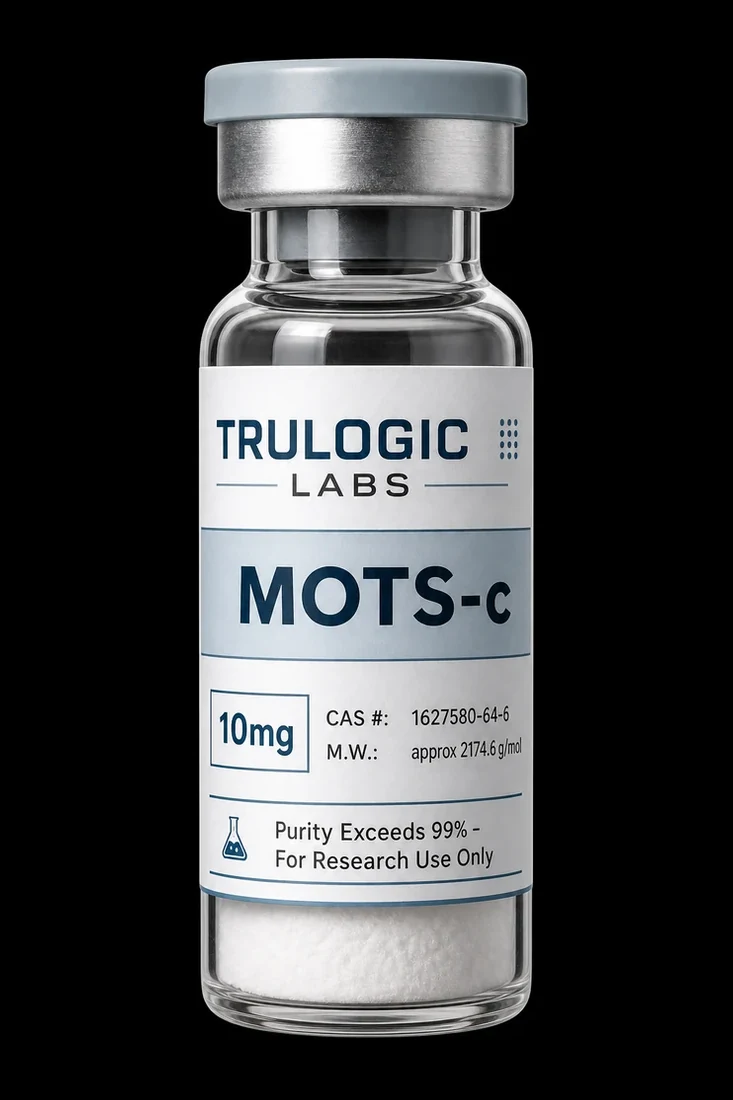
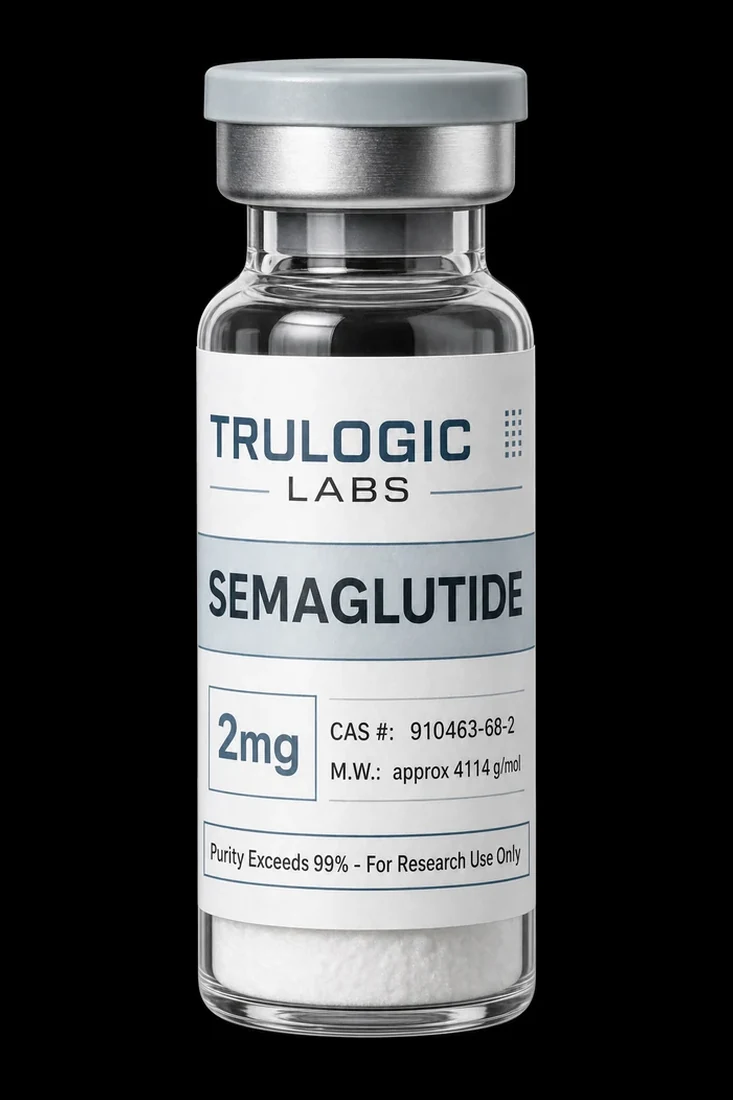
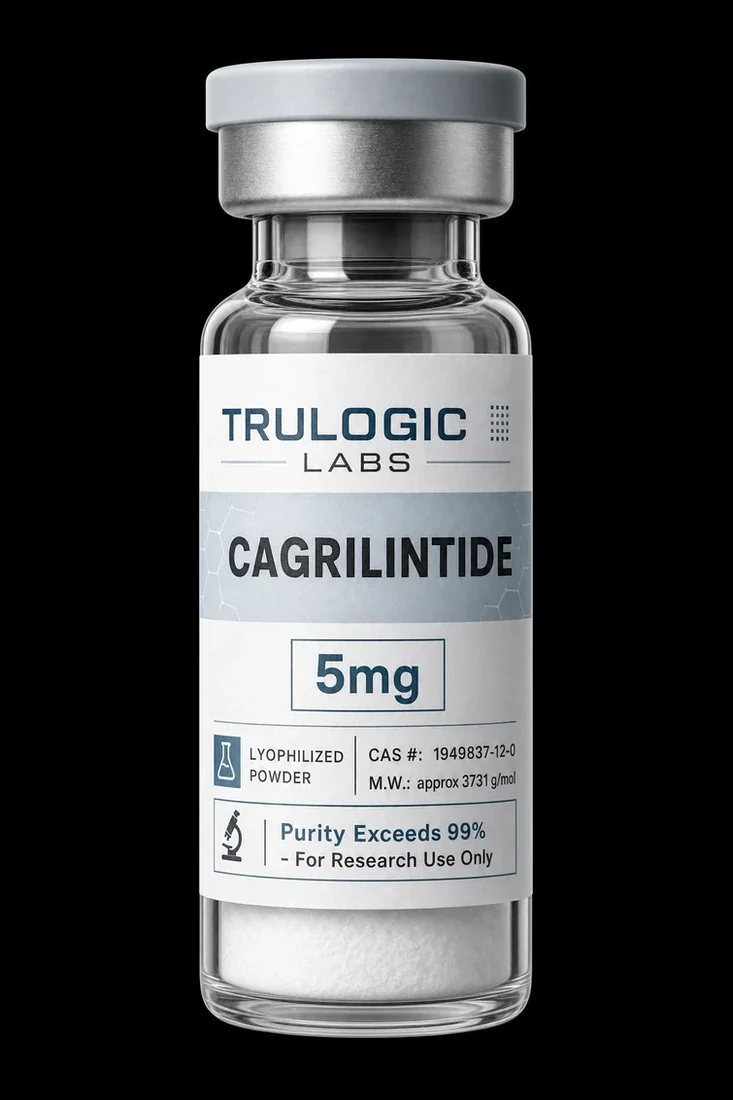
In the research literature and reference materials, 5-Amino-1MQ is often discussed alongside NAD-related compounds and other metabolically studied agents such as MOTS-c. It is mechanistically distinct from GLP-1 and amylin pathway compounds such as semaglutide and cagrilintide, which are sometimes referenced for contrast.
At a glance
Research strengths
- Acts as a selective small-molecule probe of NNMT, a defined enzymatic target.
- Orally relevant scaffold studied in metabolic research models.
- Useful reference tool for NAD and methylation-cycle research.
- Distinct mechanism from peptide-based metabolic compounds.
Limitations & cautions
- Pharmacokinetics, including half-life, are not well characterized.
- Most evidence is preclinical, with limited human data.
- Not approved for therapeutic use; research-only status.
- Long-term safety profile is unknown.